
 By admin@bigwritehook.com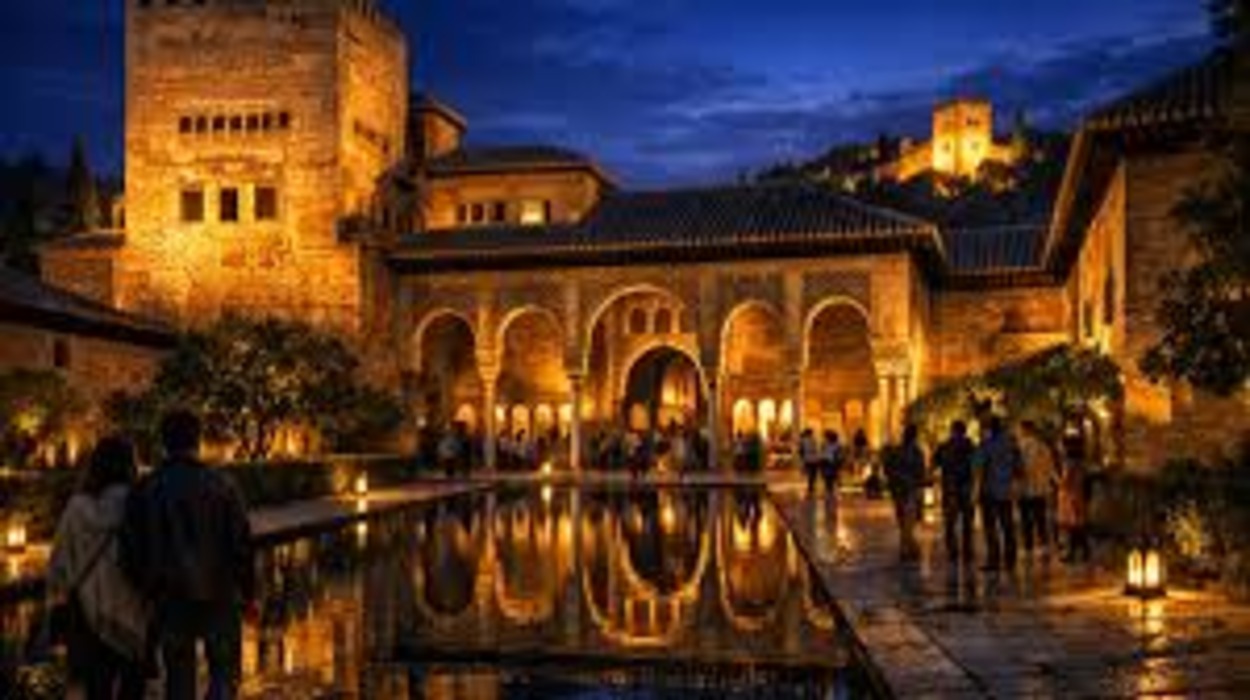
The Alhambra in Granada is one of Europe’s most iconic cultural landmarks, drawing millions of visitors every year with its rich history and breathtaking architecture. Yet beyond the well‑trodden daytime pathways lies another dimension of this UNESCO World Heritage site — the Alhambra night tours night visits annual numbers, a growing segment in cultural tourism that combines the allure of after‑dark exploration with robust economic impact. Understanding these figures not only reveals tourism trends but also provides valuable insight into how heritage sites balance preservation, visitor experience, and financial sustainability.
For startup founders, entrepreneurs, and tech professionals, these annual numbers tell a story about niche experiences, demand forecasting, and premium product‑positioning — lessons that extend well beyond the world of travel. In an era where personalized and unforgettable experiences are at a premium, night visits at cultural landmarks like the Alhambra offer a case study in how scarcity, atmosphere, and strategic pricing can add not just value, but real economic weight.
What Makes Alhambra Night Visits Special
Visiting the Alhambra after sunset is not simply a matter of schedule — it is a completely different experience. Under carefully positioned lights, the intricate carvings, water features, and gardens take on a new, almost cinematic quality. For many visitors, a night tour transforms a historical visit into an emotional and sensory journey, allowing them to see the architecture in a quieter, cooler, and more reflective setting.
Unlike daytime sessions that can host thousands of visitors over many hours, night tours are designed to be intentional and controlled, with strict capacity limits to protect the delicate structures and preserve the atmosphere.
Alhambra Night Tours Night Visits Annual Numbers: Key Statistics
When evaluating annual numbers for the Alhambra’s night tours, a few key figures stand out — and they reveal much about visitor behavior and economic contribution:
| Metric | Approximate Annual Figure |
| Total Night Tour Visitors | 120,000–150,000 per year |
| Share of Overall Alhambra Visits | Around 5–6% |
| Night Tour Revenue (2026 estimate) | €9–€12 million annually |
| Estimated Revenue / Ticket | €8–€13 (standard slots) |
| Peak Months (April–October) Visitors | 12,000–15,000 per month |
These figures show that, relative to the approximately 2.7 million total visitors the Alhambra hosts annually, night tours may account for a smaller slice of the overall attendance — but they deliver disproportionately strong economic impact.
Understanding the Numbers in Context
Attendance Trends
Night tours are not intended to replace daytime visits; rather, they complement them. Because of their controlled capacity — often 300–400 people per evening slot — night tours maintain quality and conservation standards, which is critical at a site as fragile as the Alhambra.
Across a full year, this results in an estimated 120,000–150,000 night visitors. Although this represents only about 5–6 percent of total visitor numbers, it underscores how carefully curated experiences can still generate considerable footfall.
Seasonality plays a role, too. Peak tourist months, particularly in spring and autumn shoulder season, see higher nightly attendance — often in the range of 12,000–15,000 visitors per month — while winter months naturally draw fewer guests.
Economic Contribution
Financially, night tours punch well above their weight. While daytime visits may generate the bulk of total revenue due to sheer volume, night tours contribute a meaningful share — estimated at €9–€12 million annually in recent figures and projections.
This contribution is notable because operational costs for night sessions are typically lower — fewer staff are needed, and tours run for shorter durations — yet the pricing structure and demand dynamics support robust per‑visitor revenue.
Why These Annual Numbers Matter
Strategic Positioning and Demand Creation
For modern businesses — especially startups and tech companies — the Alhambra’s night tours offer a lesson in how to position products as premium experiences. By restricting supply and emphasizing atmosphere and exclusivity, the Alhambra has managed not only to preserve a cultural treasure but also to create strong demand for a slot that few get to enjoy. This mirrors strategies in sectors like tech services, SaaS subscriptions, and even mobile app premium tiers.
Sustainability and Experience Design
Heritage sites like the Alhambra face the dual challenge of preserving priceless structures while remaining financially viable. Night tours exemplify how strategic product design — limited capacity, differentiated price points, and season‑aware scheduling — can balance these sometimes competing priorities. This balancing act is directly relevant to founders who must manage product quality, customer expectations, and sustainable revenue streams.
Market Segmentation and Behavior
The annual numbers also highlight how segmentation works. Night visitors often include international tourists, returning visitors, and experience‑seekers who might already have done a daytime tour and are willing to pay more for a differentiated experience. Understanding these segments allows operators to tailor messaging and offerings — another key takeaway for startups focused on niche markets.
How Night Visits Enhance the Alhambra’s Broader Strategy
The success of night tours lies as much in their operational integration as in their economic output. By spreading visits across more hours of the day, the Alhambra reduces peak crowd pressure, optimizes infrastructure use, and creates varied visitor experiences without overcrowding core daytime routes.
Revenue from evening visits is reinvested into conservation, staffing, security, and visitor services, reinforcing the site’s long‑term sustainability. This stewardship model aligns public good with financial health — a lesson increasingly embraced by mission‑driven startups and social enterprises.
Challenges and Opportunities
While the annual numbers signal strong performance, managing night tours is not without challenges. Weather cancellations can reduce expected attendance, and maintaining the balance between preservation and accessibility remains a central concern.
Yet there are opportunities too. Premium offerings — including private group sessions, audio guides, and specialized packages — continue to expand the revenue potential beyond standard ticket sales.
Forecast Table: Night Tour Trends (2023–2026)
| Year | Estimated Night Visitors | Revenue Estimate | Key Trend |
| 2023 | ~120,000 | ~€8.4M | Pre‑expansion baseline |
| 2024 | ~130,000 | ~€9M | Demand recovery post‑pandemic |
| 2025 | ~140,000 | ~€9.5–10M | Dynamic pricing impact |
| 2026 | ~150,000 | ~€10–12M | Continued growth forecast |
Conclusion: Why Annual Figures for Alhambra Night Tours Are Worth Following
The Alhambra night tours night visits annual numbers reveal a narrative that extends beyond tourism statistics. They reflect how curated experiences can generate significant economic value, enhance sustainability, and redefine how cultural heritage is presented and preserved. For modern professionals — whether in technology, business strategy, or experience design — these annual figures underscore the power of differentiation, thoughtful capacity management, and strategic pricing.
Ultimately, the Alhambra’s night tours demonstrate that even in an age of mass tourism and digital overload, scarcity and quality — applied with smart analytics and audience understanding — remain powerful drivers of engagement and revenue. By watching how these annual numbers evolve, leaders in any sector can glean lessons in balancing demand, experience, and long‑term viability.