
 By admin@bigwritehook.com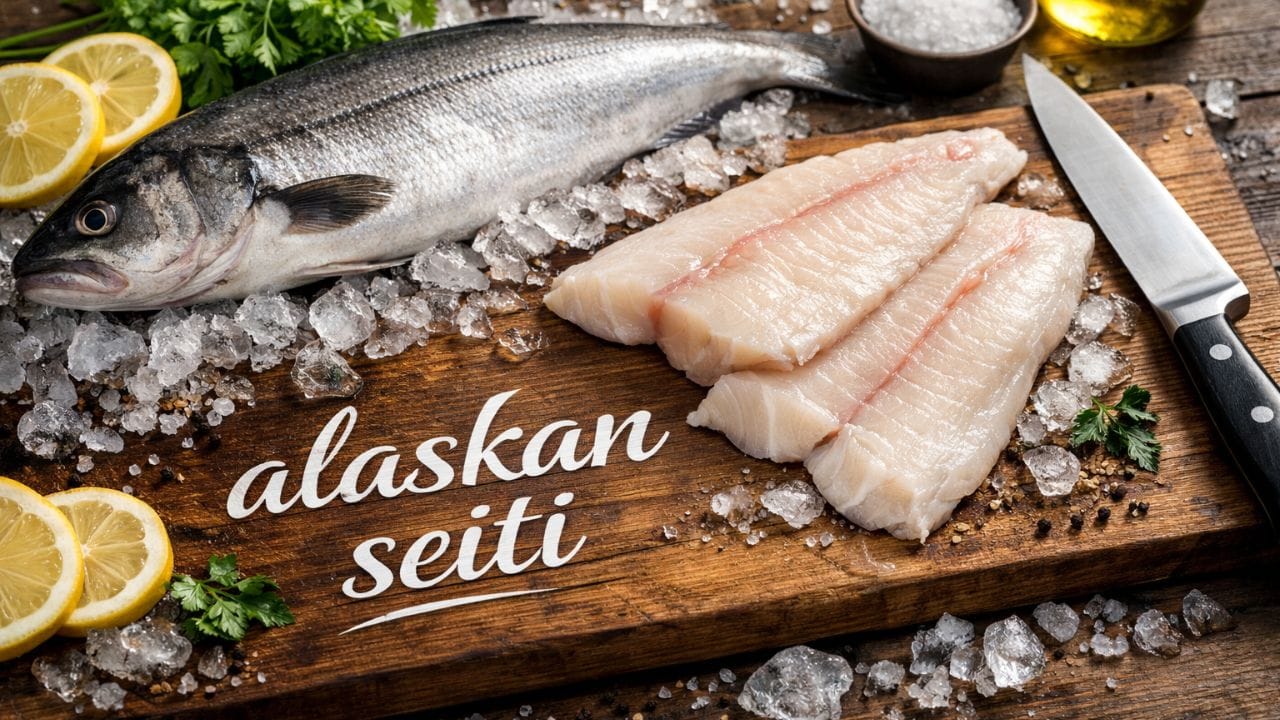
In a world where plant-based proteins dominate headlines and lab-grown meat captures venture capital, one of the most promising sustainable food resources has been quietly thriving in the icy waters of the North Pacific. Alaskan seiti, more widely known as Pacific pollock, is emerging as a powerful example of how traditional industries can evolve into high-tech, sustainability-driven ecosystems. For founders, food-tech innovators, and supply chain strategists, alaskan seiti represents more than seafood. It represents scalable, data-driven opportunity.
The term “alaskan seiti” refers to pollock harvested in the pristine waters off Alaska, primarily in the Bering Sea and Gulf of Alaska. Scientifically known as Gadus chalcogrammus, this species supports one of the largest and most carefully managed fisheries in the world. Yet despite its massive global presence, its strategic importance in modern food systems is still underestimated by many entrepreneurs.
The Economic Power Behind Alaskan Seiti
Alaskan seiti is not a niche product. It forms the backbone of numerous global food brands, from frozen fillets to fish sticks and surimi-based products. The fishery operates under strict management by the National Oceanic and Atmospheric Administration (NOAA), ensuring long-term sustainability and regulated catch limits.
The scale is staggering. The Bering Sea pollock fishery consistently ranks among the largest single-species fisheries on Earth. Its structured quota system, onboard observers, and real-time data monitoring make it a model for responsible harvesting.
For startup founders analyzing global protein markets, alaskan seiti offers three powerful advantages: abundance, regulatory stability, and established infrastructure. Unlike emerging food technologies that require years of R&D and uncertain consumer adoption, this industry already possesses mature logistics networks and processing systems.
Why Tech Leaders Should Pay Attention to Alaskan Seiti
At first glance, seafood may seem far removed from SaaS platforms or AI startups. But modern fisheries increasingly rely on advanced technologies: satellite tracking, predictive analytics, automated processing lines, and blockchain traceability.
Fishing vessels operating in Alaska’s waters use GPS tracking, sonar mapping, and AI-assisted catch optimization. Processing plants integrate robotics to fillet, freeze, and package fish within hours of harvest. Companies like Trident Seafoods have invested heavily in automation to maximize efficiency while minimizing waste.
This convergence of marine biology and digital systems creates space for innovation. Entrepreneurs are developing smart traceability platforms that track alaskan seiti from ocean to supermarket shelf. Others are exploring AI-driven sustainability dashboards that monitor ecosystem impact in real time.
In short, this is no longer a traditional fishing story. It is a data story.
Sustainability as Strategic Advantage
Sustainability is not optional in today’s market. Consumers demand transparency. Investors evaluate ESG performance. Regulators enforce strict environmental standards.
Alaskan seiti stands out because it operates under one of the world’s most rigorous fishery management frameworks. Catch limits are science-based. Independent observers monitor vessels. Stocks are continuously assessed to prevent overfishing.
The contrast with poorly managed fisheries elsewhere in the world is stark. This reliability gives food-tech startups and consumer brands a credible sustainability narrative.
Below is a comparison that highlights why alaskan seiti is strategically important:
| Factor | Alaskan Seiti Fishery | Poorly Managed Fisheries |
| Stock Monitoring | Continuous scientific assessment | Irregular or absent |
| Quota Enforcement | Strict federal oversight | Often inconsistent |
| Traceability | Increasingly digitized | Limited transparency |
| Long-Term Viability | High | Frequently unstable |
| ESG Appeal | Strong investor confidence | Higher regulatory risk |
For founders building food brands or alternative protein ventures, partnering with stable supply ecosystems reduces risk dramatically.
Innovation in Processing and Value Creation
Historically, pollock was considered a lower-value fish compared to salmon or tuna. That perception has changed.
Surimi production — the refined fish paste used in imitation crab — transformed the economics of alaskan seiti decades ago. Today, innovation continues in ready-to-eat meals, protein powders, and functional nutrition products.
Advanced freezing techniques preserve freshness within hours of catch. Automated filleting systems reduce waste. Byproducts such as fish oil and protein isolates are increasingly monetized.
Food-tech entrepreneurs now see opportunity beyond raw seafood. Nutraceutical startups explore collagen extraction. Pet food brands leverage high-protein formulations. Sustainable packaging innovators collaborate with seafood distributors to reduce plastic waste.
The lesson is clear: value is no longer confined to the fillet.
Global Market Reach of Alaskan Seiti
Alaskan seiti plays a major role in international trade. Key export markets include Japan, South Korea, and parts of Europe. Asian markets in particular have long integrated pollock into everyday cuisine.
Japanese companies helped pioneer surimi processing technology, accelerating global demand. Today, multinational food corporations rely on steady supply from Alaska’s fisheries to maintain product consistency.
Trade dynamics, however, are sensitive to geopolitical tensions and tariffs. Entrepreneurs entering this sector must understand regulatory frameworks, trade agreements, and currency fluctuations.
Yet compared to volatile agricultural markets, alaskan seiti benefits from structured oversight and predictable quotas. That stability attracts institutional buyers and global retailers alike.
Technology Driving the Future of Alaskan Seiti
The next frontier is digital transformation. Blockchain traceability systems are emerging to ensure every batch of fish can be tracked back to its vessel and harvest date. IoT sensors monitor storage temperatures throughout transit. AI models forecast stock health based on oceanographic data.
Marine research institutions collaborate with government agencies to analyze ecosystem changes linked to climate shifts. While warming waters present long-term uncertainty, adaptive management strategies are already in place.
Startups that combine ocean data analytics with supply chain platforms may unlock entirely new business models. Imagine subscription-based seafood services offering real-time sourcing transparency. Or AI dashboards that provide retailers with predictive inventory insights based on seasonal catch forecasts.
This is where alaskan seiti becomes a platform for innovation rather than just a commodity.
Climate Resilience and Risk Management
No natural resource is immune to climate risk. Ocean temperature fluctuations affect fish migration patterns and spawning cycles. However, Alaska’s fisheries management system incorporates adaptive science, allowing quotas to adjust based on real-time stock assessments.
This flexibility reduces catastrophic depletion risk. For investors evaluating long-term protein supply chains, that resilience matters.
Diversification also plays a role. While salmon from companies like Bristol Bay Regional Seafood Development Association receives strong consumer branding, pollock provides large-scale protein volume at accessible price points.
In a world concerned about food security, scalable species like alaskan seiti offer strategic importance beyond premium seafood categories.
Entrepreneurial Opportunities in the Alaskan Seiti Ecosystem
For startup founders, opportunities extend across multiple layers of the value chain.
Some focus on direct-to-consumer seafood subscriptions, leveraging traceable sourcing. Others develop B2B logistics software tailored to cold chain optimization. Sustainability consultants assist seafood companies in refining ESG reporting frameworks.
Fintech platforms explore insurance products that hedge against catch variability. Data startups build predictive analytics tools for fisheries management.
Even marketing innovation plays a role. Rebranding alaskan seiti from a generic frozen product to a premium sustainable protein could unlock higher margins and improved consumer perception.
The ecosystem is far broader than the fishing vessel.
A Blueprint for Responsible Resource Innovation
What makes alaskan seiti particularly compelling is that it demonstrates how legacy industries can modernize responsibly. It blends strict science-based management with technological integration and global market relevance.
Unlike speculative food technologies that rely on uncertain consumer adoption curves, this industry operates at scale today. It feeds millions of people globally. It supports coastal communities. It demonstrates that sustainability and profitability can coexist.
For founders seeking stable yet innovative sectors, few industries combine scale, data integration, and ESG credibility as effectively.
Conclusion: Why Alaskan Seiti Deserves Strategic Attention
The conversation around future food systems often centers on disruption. But sometimes the smarter strategy is optimization. Alaskan seiti proves that with rigorous management, advanced technology, and thoughtful entrepreneurship, natural resources can deliver sustainable growth.
For startup founders, tech professionals, and digital innovators, the lesson is powerful. Look beyond trends. Examine foundational industries that quietly power global markets. Within them, you may find scalable, responsible opportunities waiting to be reimagined.
Alaskan seiti is not merely a fishery. It is a blueprint for how tradition and innovation can converge to shape the future of food.