
 By admin@bigwritehook.com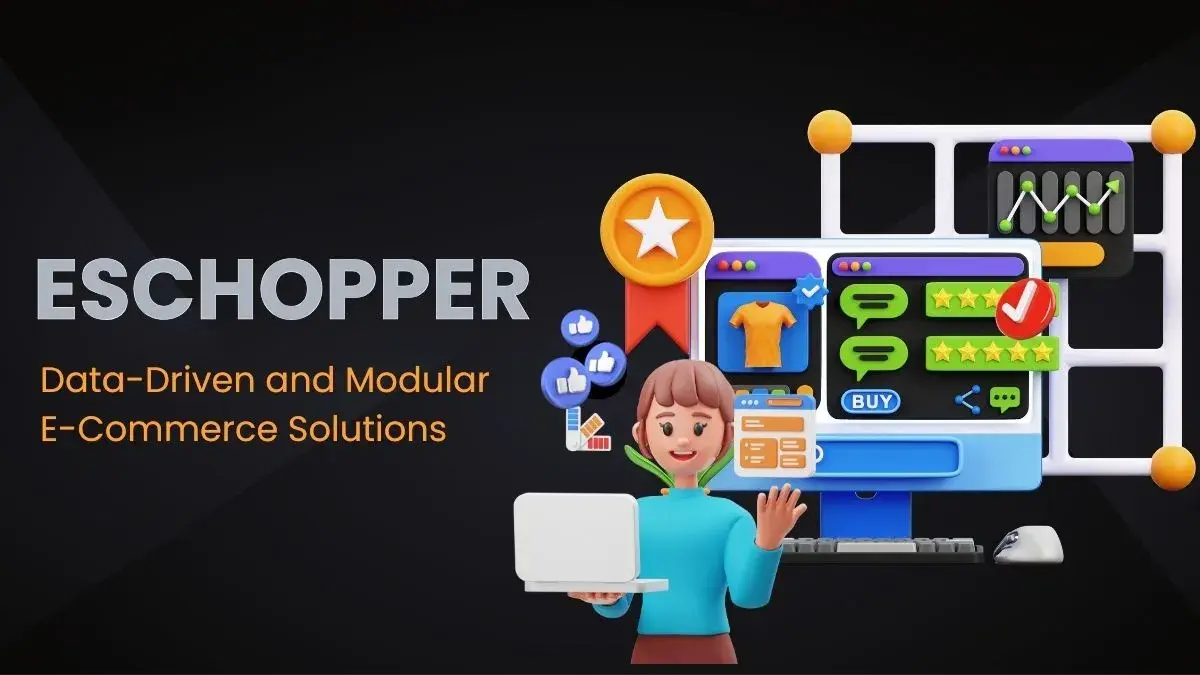
The world of digital commerce is evolving faster than most businesses can adapt. What started as simple online storefronts has transformed into complex ecosystems powered by automation, data intelligence, and customer-centric innovation. In this shifting landscape, eschopper is emerging as a modern approach to building, managing, and scaling online businesses with efficiency and strategic clarity.
For startup founders, entrepreneurs, and tech professionals, understanding how eschopper fits into today’s digital economy is not just useful — it is essential. Digital commerce is no longer about simply launching a website and waiting for traffic. It is about designing an ecosystem that integrates technology, customer experience, logistics, analytics, and scalability into one seamless framework.
This article explores what eschopper represents, why it matters, and how it can help founders create sustainable digital ventures in a competitive market.
What Is eschopper in the Modern Digital Economy?
At its core, eschopper represents a streamlined and intelligent approach to online commerce. It blends e-commerce infrastructure, automation tools, digital marketing systems, and customer engagement strategies into a cohesive operational model.
Unlike traditional online selling methods that focus purely on storefront design, eschopper emphasizes performance optimization, backend efficiency, and scalable growth strategies. It recognizes that successful digital businesses are not built on products alone — they are built on systems.
In practical terms, eschopper is about creating an interconnected digital commerce engine where:
- Customer acquisition is measurable.
- Inventory and fulfillment are automated.
- Data informs decision-making.
- User experience drives loyalty.
- Growth strategies are structured, not reactive.
For founders navigating the early stages of a startup, this approach eliminates guesswork and replaces it with strategic clarity.
Why eschopper Matters to Startup Founders
Launching a digital business today is easier than ever. Scaling one sustainably is much harder.
Many startups fail not because their product lacks demand, but because their operational systems cannot support growth. They rely on fragmented tools, disconnected platforms, and manual processes that create bottlenecks.
eschopper addresses this gap by focusing on integration and operational intelligence.
Instead of asking, “How do I sell online?” founders begin asking:
- How do I optimize conversion rates?
- How do I reduce customer acquisition costs?
- How do I automate fulfillment?
- How do I increase lifetime value?
This mindset shift is crucial. Modern digital entrepreneurship is no longer about being online; it is about being optimized.
The Core Pillars of eschopper
To understand the practical application of eschopper, it helps to break it down into its core components. These pillars represent the structural framework that enables digital businesses to operate efficiently and grow strategically.
Infrastructure and Platform Stability
Every successful digital venture begins with reliable infrastructure. This includes website performance, hosting scalability, payment gateways, and security systems.
An eschopper-driven business ensures that:
- Page load speeds are optimized.
- Checkout flows are seamless.
- Payment systems are secure and diverse.
- Infrastructure scales with traffic spikes.
Downtime, friction, or technical instability directly impacts revenue. Founders who prioritize infrastructure early avoid costly rebuilds later.
Automation and Workflow Efficiency
Manual processes limit growth. Automation enables scale.
From inventory tracking to email marketing sequences, automation reduces human error and increases efficiency. In an eschopper model, automation is not an afterthought; it is embedded into operations.
For example:
- Abandoned cart emails trigger automatically.
- Order confirmations integrate with fulfillment partners.
- CRM systems track customer behavior in real time.
- Analytics dashboards update without manual input.
This allows founders to focus on strategy rather than repetitive tasks.
Data-Driven Decision Making
Data is the currency of modern commerce. However, raw data without interpretation has little value.
eschopper emphasizes structured analytics — tracking metrics that actually drive growth:
- Conversion rates
- Customer acquisition cost
- Average order value
- Customer lifetime value
- Retention rate
When founders understand these numbers, growth becomes predictable rather than accidental.
eschopper vs Traditional E-Commerce Models
To highlight the strategic advantage, consider the following comparison:
| Feature | Traditional E-Commerce | eschopper Approach |
| Focus | Selling products online | Building scalable digital systems |
| Tools | Disconnected apps | Integrated ecosystem |
| Decision-Making | Reactive | Data-driven and predictive |
| Growth Strategy | Traffic-first | Conversion and retention focused |
| Automation | Limited | Core operational component |
This shift from transactional thinking to systemic thinking is what defines eschopper as a next-generation model.
Customer Experience as a Competitive Advantage
In today’s crowded digital marketplace, products can be copied. Customer experience cannot.
One of the defining characteristics of eschopper is its focus on seamless user journeys. This includes:
- Intuitive navigation
- Personalized product recommendations
- Transparent pricing
- Clear shipping timelines
- Responsive customer support
Modern consumers expect frictionless interactions. They compare experiences across industries, not just within your niche. A founder who invests in customer journey mapping gains a powerful competitive edge.
When customers feel understood and valued, they return. And retention is more profitable than acquisition.
The Role of Technology in eschopper Strategy
Technology is not just a tool; it is the backbone of digital scalability.
Artificial intelligence, machine learning, and predictive analytics are increasingly integrated into commerce platforms. An eschopper-driven business leverages technology to:
- Predict buying behavior
- Segment customers dynamically
- Optimize ad targeting
- Adjust pricing based on demand
- Personalize marketing campaigns
This transforms commerce from static selling into intelligent interaction.
For tech professionals, this presents an opportunity to design smarter systems rather than basic storefronts. For founders, it means leveraging technology as a strategic asset instead of a technical necessity.
Building an eschopper-Driven Startup: A Practical Roadmap
While the concept sounds advanced, implementing an eschopper model follows a logical progression.
First, establish a solid digital infrastructure. Choose scalable platforms, secure hosting, and integrated payment systems.
Second, automate operational workflows. Connect your marketing, CRM, fulfillment, and analytics tools so they communicate seamlessly.
Third, track meaningful metrics. Avoid vanity metrics such as page views if they do not convert. Focus on revenue-impacting indicators.
Fourth, optimize continuously. Digital commerce is never static. Regular A/B testing, performance audits, and customer feedback loops are essential.
Finally, build brand authority. Even the most efficient systems require trust. Content marketing, thought leadership, and social proof reinforce credibility.
Common Mistakes Founders Should Avoid
As promising as the eschopper model is, implementation requires discipline.
One common mistake is overcomplicating the tech stack. More tools do not equal better performance. Integration and simplicity matter more than quantity.
Another error is ignoring retention. Many startups focus heavily on acquisition but neglect customer loyalty strategies. Without repeat customers, scaling becomes expensive.
Finally, founders often underestimate the power of analytics. Decisions based on assumptions lead to inconsistent growth. Decisions based on data create momentum.
The Future of eschopper in Digital Commerce
Digital commerce will only become more competitive. Consumer expectations will rise. Technology will evolve.
eschopper represents a shift toward structured, intelligent commerce systems that prioritize efficiency, scalability, and customer-centric design.
As Web3 technologies, decentralized payments, and AI-driven personalization mature, businesses that already operate within an integrated framework will adapt faster than those relying on outdated models.
For entrepreneurs building today, adopting this mindset early can define long-term success.
Conclusion: Why eschopper Is More Than a Trend
eschopper is not just another buzzword in the digital commerce space. It reflects a broader transformation in how online businesses are built and scaled.
For startup founders and tech professionals, the lesson is clear: success in digital commerce requires more than a functional website. It demands integrated systems, automation, data intelligence, and a relentless focus on customer experience.
By embracing the principles behind eschopper, entrepreneurs position themselves for sustainable growth rather than short-term wins. In a world where competition is global and customer loyalty is fragile, structured digital strategy is no longer optional — it is foundational.
The next generation of successful startups will not simply sell online. They will operate intelligent commerce ecosystems. And that is precisely where eschopper fits into the future of digital innovation.