
 By admin@bigwritehook.com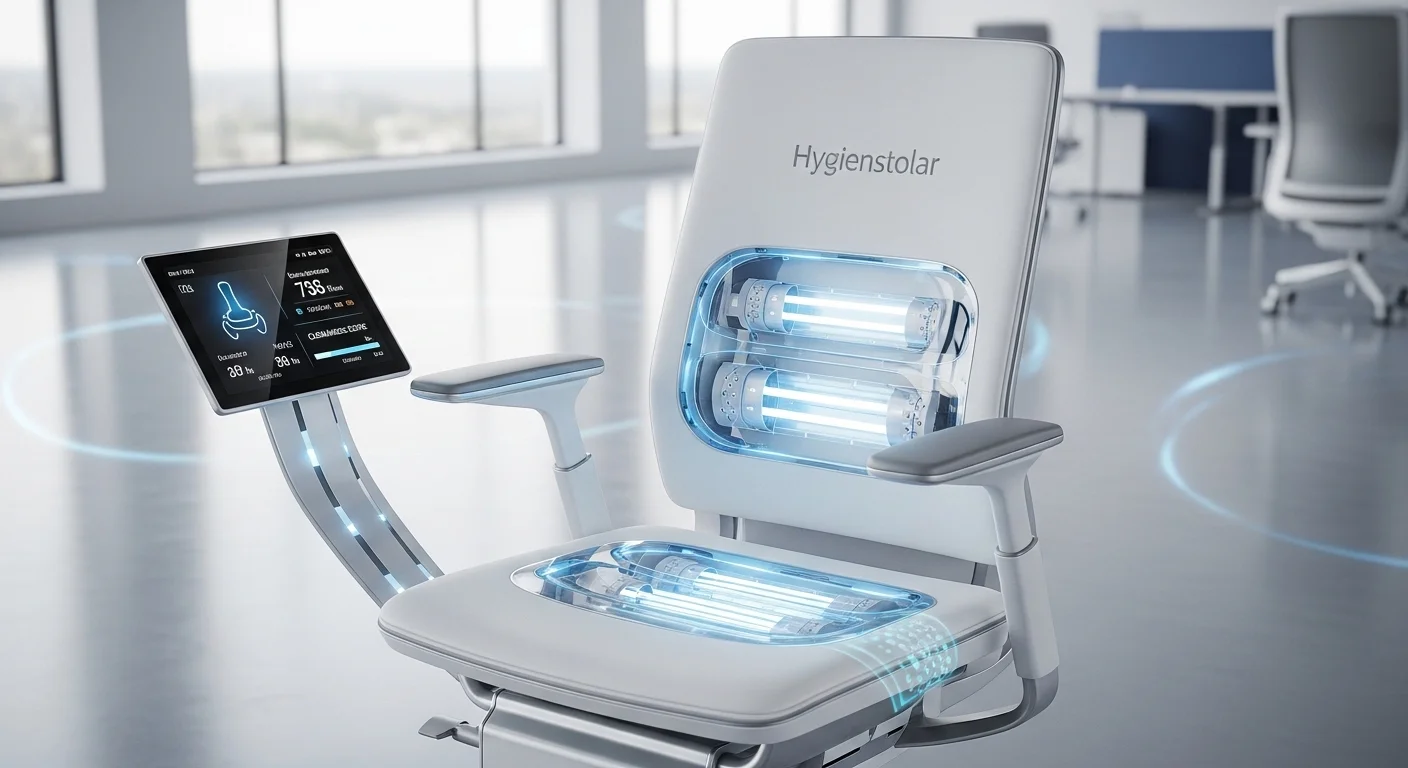
In an era where health, safety, and hygiene have become central to organizational success, hygienstolar emerges as a critical concept for modern businesses. For startup founders, entrepreneurs, and tech professionals, understanding hygienstolar is not merely about compliance—it’s about creating environments that foster trust, productivity, and operational excellence.
The term hygienstolar represents more than just tools or protocols; it encapsulates an integrated approach to workplace cleanliness, safety systems, and sustainable health practices. Leveraging hygienstolar principles allows companies to ensure employee well-being, enhance operational efficiency, and align with regulatory standards, all while maintaining a competitive edge.
Why Hygienstolar Matters for Modern Enterprises
The COVID-19 pandemic and subsequent global health crises have reshaped the way organizations view cleanliness and safety. Businesses that invest in structured hygiene strategies not only protect their workforce but also strengthen brand credibility and stakeholder confidence.
Hygienstolar plays a pivotal role in this transformation by providing frameworks for:
- Systematic workplace sanitation
- Employee health and safety monitoring
- Optimized cleaning and maintenance schedules
- Sustainable practices to minimize environmental impact
For startups, integrating hygienstolar into operational planning can lead to improved employee morale, reduced absenteeism, and enhanced productivity, which are critical factors in early-stage growth.
Components of a Hygienstolar Framework
Implementing hygienstolar principles requires a multi-faceted approach that combines technology, training, and process optimization. Key components include:
- Advanced Sanitation Equipment: Automated dispensers, UV sterilizers, and antimicrobial surfaces.
- Digital Monitoring Systems: Sensors and IoT devices track cleaning cycles, air quality, and occupancy patterns.
- Employee Training Programs: Regular workshops and digital modules ensure staff adherence to hygiene protocols.
- Data Analytics: Real-time reporting and predictive maintenance for proactive intervention.
By integrating these components, organizations can establish a proactive and adaptive hygiene ecosystem.
Hygienstolar and Operational Efficiency
Hygiene is often perceived as an operational cost, but in reality, a well-structured hygienstolar system enhances efficiency. For instance, predictive cleaning schedules reduce downtime in high-traffic areas, while automated monitoring minimizes human error.
| Component | Traditional Approach | Hygienstolar Approach |
| Cleaning Frequency | Fixed schedule | Data-driven, adaptive |
| Monitoring | Manual inspections | IoT sensors and real-time analytics |
| Employee Engagement | Limited training | Continuous training and digital modules |
| Waste Management | Reactive | Proactive, sustainable practices |
This table illustrates how hygienstolar principles optimize workflows, reduce costs, and improve overall workplace safety.
Technology Integration in Hygienstolar
The modern workplace demands smart solutions. Integrating technology into hygienstolar practices amplifies effectiveness and compliance. Key innovations include:
- IoT-enabled devices: Monitor surface contamination, air quality, and usage patterns.
- AI-driven predictive analytics: Forecast high-risk zones and optimize cleaning schedules.
- Mobile applications: Allow employees to report concerns, track hygiene adherence, and receive notifications.
- Automated dispensers and robots: Reduce manual labor while maintaining consistent sanitation standards.
These tools not only improve safety outcomes but also provide organizations with valuable data for continuous improvement.
Compliance and Regulatory Advantages
Compliance with occupational health and safety regulations is a critical business requirement. Hygienstolar systems ensure organizations meet or exceed standards by:
- Maintaining documented cleaning and maintenance logs
- Implementing protocols aligned with OSHA, CDC, or local health authorities
- Facilitating audits through real-time monitoring
- Reducing liability risk through proactive safety management
For startups entering regulated markets or scaling operations, such compliance frameworks can be a differentiator and a competitive advantage.
The Human Factor: Employee Engagement and Culture
Even the most advanced hygienstolar systems require human buy-in to be effective. Establishing a culture of hygiene and safety ensures long-term success. Organizations can encourage participation by:
- Recognizing employees for adherence to protocols
- Incorporating hygiene into daily routines and onboarding processes
- Using gamification or digital incentives to reinforce engagement
- Communicating the impact of hygiene on health, productivity, and corporate reputation
When employees feel invested in workplace safety, overall compliance improves and organizational culture strengthens.
Sustainability and Hygienstolar
Sustainability is increasingly intertwined with hygiene practices. Hygienstolar emphasizes environmentally responsible solutions, such as:
- Biodegradable cleaning agents
- Water and energy-efficient equipment
- Waste segregation and recycling programs
- Minimizing single-use plastics without compromising safety
By integrating sustainability into hygienstolar, companies align operational efficiency with broader environmental goals, enhancing brand perception and regulatory compliance.
Scalability and Adaptability
Startups often operate in dynamic environments, requiring systems that can scale and adapt. Hygienstolar frameworks provide this flexibility through modular and technology-enabled approaches:
- Easily scalable systems for multiple office locations or production facilities
- Adaptable protocols to accommodate remote or hybrid work models
- Integration with enterprise resource planning (ERP) or building management systems
- Flexibility to evolve with emerging health threats or new regulatory requirements
Scalability ensures that hygiene practices remain consistent, efficient, and effective as organizations grow.
Risk Mitigation and Business Continuity
Hygienstolar also plays a crucial role in risk management. Properly implemented, it reduces the likelihood of workplace illness outbreaks, mitigates operational disruptions, and enhances resilience. Key risk mitigation strategies include:
- Proactive surface and air monitoring to prevent contamination
- Contingency protocols for sudden health crises
- Real-time reporting to identify and address potential hazards quickly
- Continuous evaluation and improvement of hygiene processes
This proactive approach protects both employees and business continuity.
Lessons for Entrepreneurs and Tech Leaders
The principles of hygienstolar offer important takeaways for modern startups:
- Invest in Systems, Not Just Tools: A strategic framework ensures hygiene practices are effective and scalable.
- Leverage Technology for Insights: Data-driven approaches optimize operations and compliance.
- Engage Employees: Culture and participation amplify the impact of hygiene systems.
- Prioritize Sustainability: Environmentally responsible practices enhance reputation and operational efficiency.
- Plan for Scalability: Flexible systems allow growth without compromising safety or standards.
Entrepreneurs who internalize these lessons can create work environments that are safe, efficient, and trusted by employees, clients, and regulators alike.
Conclusion: Hygienstolar as a Strategic Imperative
Hygienstolar is more than a hygiene framework—it is a strategic tool that integrates technology, human behavior, and operational excellence. For startup founders, tech professionals, and entrepreneurs, implementing hygienstolar principles ensures a safe, compliant, and productive workplace while supporting sustainable growth.
In the competitive and health-conscious landscape of modern business, organizations that embrace hygienstolar principles gain a distinct advantage: operational efficiency, employee well-being, regulatory compliance, and a culture of proactive safety. By making hygienstolar central to strategy, startups can create resilient, future-ready organizations that thrive in both normal and crisis conditions.