
 By admin@bigwritehook.com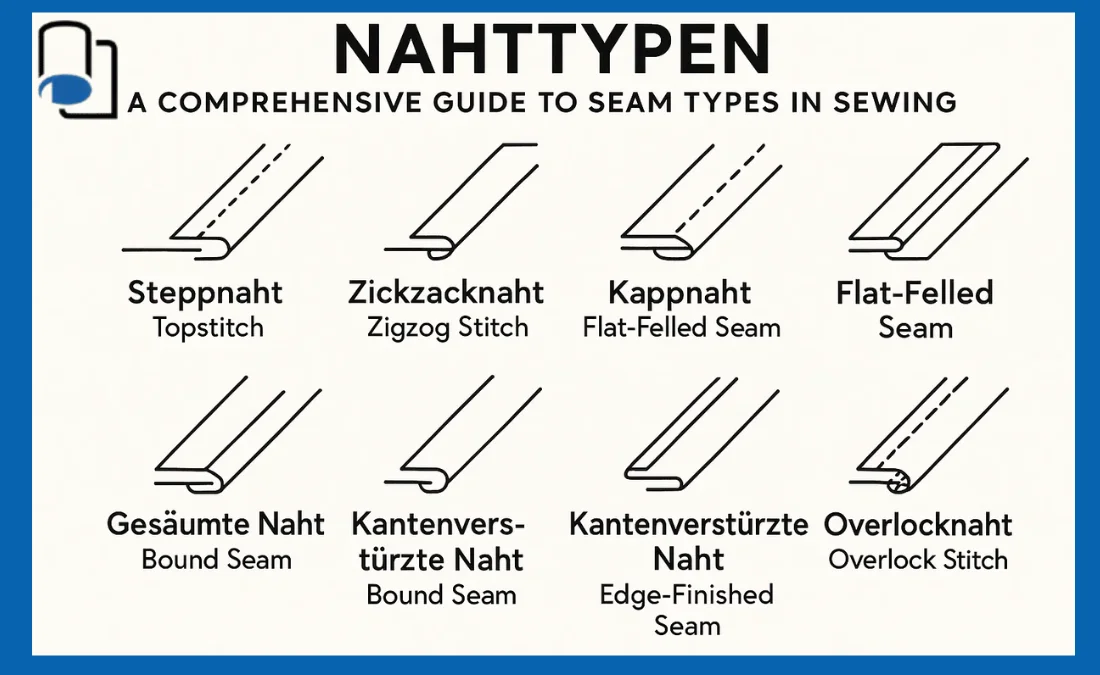
In the fast-evolving world of textiles and fashion, mastering nahttypen—the German term for “seam types”—is essential for creating high-quality, durable, and aesthetically appealing garments. For startup founders, fashion entrepreneurs, and tech professionals exploring textile innovation, understanding nahttypen is more than a technical necessity; it’s a gateway to operational excellence, product differentiation, and market credibility.
Seam techniques influence not only the durability and functionality of apparel but also the perception of brand quality. In competitive markets, a deep knowledge of nahttypen can give startups a distinct advantage, allowing them to create garments that blend style, comfort, and longevity while minimizing production errors and costs.
The Importance of Nahttypen in Fashion and Textile Startups
Seams form the backbone of every garment, connecting fabrics and providing structure. The choice of seam type affects durability, stretch, aesthetic appeal, and cost-efficiency. For startups, a strategic understanding of nahttypen enables:
- Production of high-quality garments with fewer defects
- Efficient material usage and cost control
- Enhanced product differentiation through unique construction
- Scalability for larger production runs without compromising quality
By integrating nahttypen into the design and production process, entrepreneurs can deliver consistent, professional results while maintaining a competitive edge in fast-paced markets.
Key Types of Nahttypen and Their Applications
There are numerous nahttypen, each with specific applications depending on fabric type, garment function, and desired aesthetic. The most commonly used seams include:
| Seam Type | Description | Best Use Cases | Advantages |
| Plain Seam | Simple stitch joining two fabric edges | Light to medium fabrics | Economical, easy to sew |
| French Seam | Fabric enclosed inside for a neat finish | Sheer or delicate fabrics | Durable, professional appearance |
| Flat-Felled Seam | Double-folded and stitched flat | Denim, workwear | Extremely strong, prevents fraying |
| Overlocked/Serger Seam | Edges trimmed and overlocked | Knitwear, stretch fabrics | Prevents unraveling, flexible |
| Welt/Bound Seam | Fabric edges encased in a strip | Outerwear, decorative | High-end finish, durable |
| Mock Flat-Felled | Single-fold imitation of flat-felled | Casual garments | Cost-effective, neat finish |
Understanding the appropriate application of each seam type is crucial for achieving both functional and aesthetic goals in production.
Integrating Nahttypen into Startup Production Processes
For fashion startups, implementing nahttypen strategically can streamline operations and improve quality control. Key considerations include:
- Fabric Compatibility: Each seam performs differently based on fabric weight, stretch, and texture.
- Production Scalability: Some seams, like plain seams, are faster and cheaper for large runs, while others, like French seams, are better for premium products.
- Cost Management: Balancing seam quality with production costs ensures profitability without compromising brand standards.
- Training and Standardization: Educating production teams on seam techniques reduces errors and maintains consistency across batches.
Adopting nahttypen as part of the production strategy allows startups to maintain high standards while scaling efficiently.
Aesthetic and Functional Considerations
Beyond structural integrity, nahttypen play a crucial role in garment design. Strategic seam placement can:
- Enhance body fit and comfort
- Add decorative elements to create unique visual appeal
- Improve garment longevity, reducing returns or repairs
- Enable functional features such as stretch panels, reinforcements, or ventilation
For innovative startups, combining functionality with design through thoughtful seam selection can differentiate products in saturated markets.
Technology and Automation in Seam Implementation
Modern production methods integrate technology to optimize seam application. Innovations include:
- Computerized Sewing Machines: Ensure precision and consistent stitch quality
- Pattern Recognition Software: Guides seam placement and reduces material waste
- Robotic Sewing Systems: Enable faster production for high-volume orders
- Fabric Tension Monitoring: Prevents puckering and uneven seams
Integrating technology with traditional nahttypen knowledge allows startups to enhance quality, reduce errors, and scale operations efficiently.
Quality Control and Risk Mitigation
Seam failure is one of the leading causes of garment defects and returns. By implementing rigorous quality control measures around nahttypen, startups can:
- Detect inconsistencies during production
- Standardize seam quality across batches
- Reduce material waste due to defective seams
- Enhance customer satisfaction and brand reputation
Risk mitigation through seam quality management ensures long-term operational efficiency and product reliability.
Lessons for Entrepreneurs
For startup founders and fashion innovators, mastering nahttypen provides several key lessons:
- Invest in Technical Knowledge: Understanding seams reduces production errors and material waste.
- Balance Aesthetics and Functionality: Seam choice impacts both garment appeal and durability.
- Leverage Technology: Automation and digital tools enhance precision and scalability.
- Standardize Processes: Consistency in seam application builds brand credibility.
- Prioritize Quality Control: High-quality seams minimize returns and enhance customer satisfaction.
Applying these lessons helps startups deliver superior products while optimizing operational and financial outcomes.
Conclusion: Nahttypen as a Foundation for Startup Success
Mastering nahttypen is essential for startups aiming to thrive in the competitive fashion and textile industry. By understanding seam types, integrating them thoughtfully into production, and leveraging technology for precision and scalability, entrepreneurs can create garments that are functional, durable, and visually appealing.
Incorporating nahttypen into the business strategy ensures that startups produce consistent, high-quality products, differentiate themselves in the market, and establish a foundation for sustainable growth. For fashion innovators, seam mastery is not just a technical skill—it is a strategic asset that drives operational excellence and brand credibility.