
 By admin@bigwritehook.com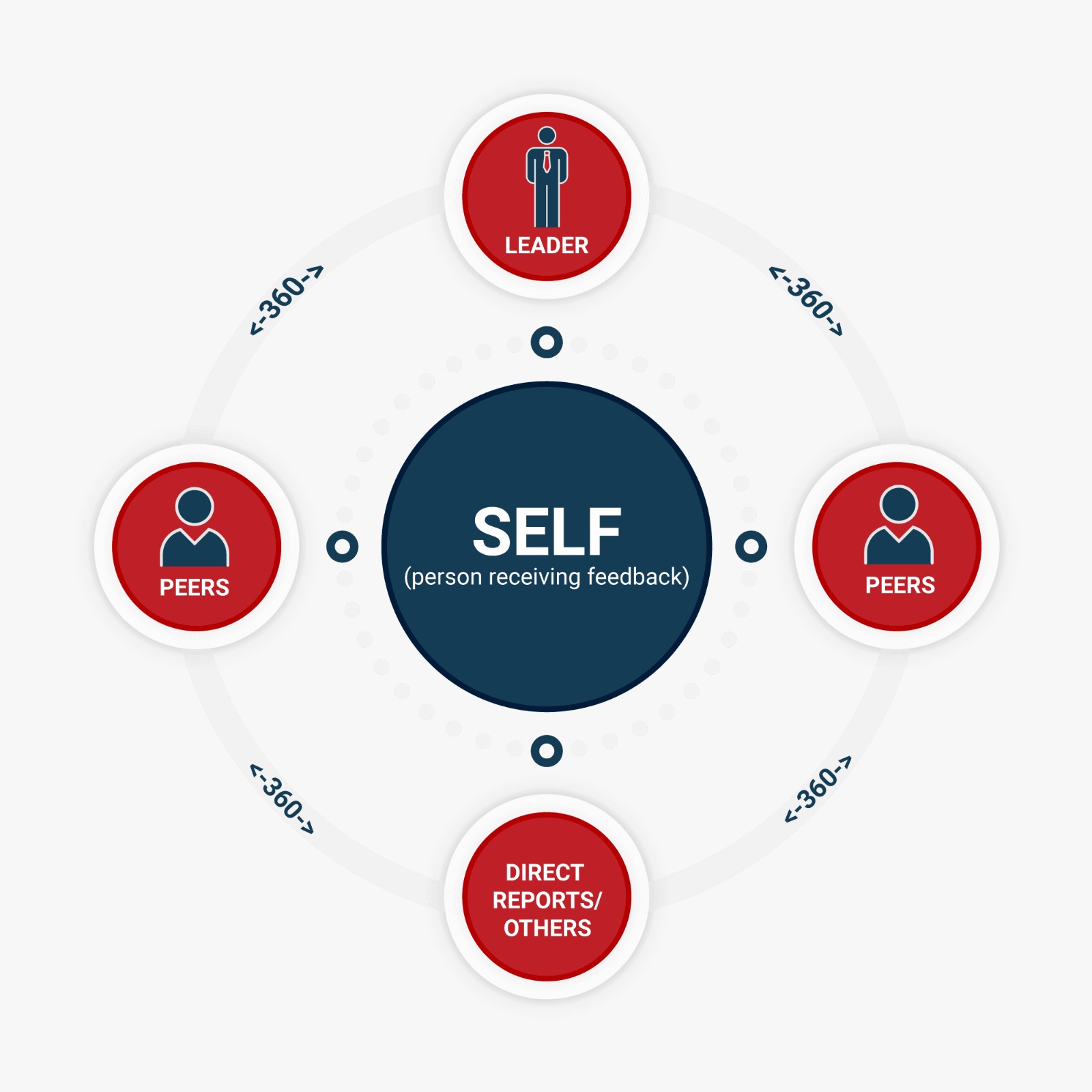
The future of all companies is determined by leadership. Effective leaders motivate groups, resolve issues and lead development. Poor leadership, conversely, leads to poor morale and confusion. That is the reason firms spend a lot on developing leaders.
The 360 Degree Assessment is one of the best tools presently utilised. It does not provide the leaders with a one-dimensional perspective of their performance, but provides them with a multi-dimensional view of the same. This approach has gained traction due to its candid wisdom and propels actual development.
We will investigate the reasons why companies use this potent strategy.
What Is a 360 Degree Assessment?
A 360 Degree Assessment is a feedback instrument that gathers the opinions of numerous people. In place of feedback provided by a manager, leaders will be rated by Supervisors, Peers, and Direct reports
It can be clients or partners, sometimes.
Self-assessment
This forms a complete circle of feedback. It is a demonstration of the perception of a leader at all organisational levels.
Conventional reviews tend to dwell on the performance outcomes. A 360 degree process is based on behaviour, communication, emotional intelligence, and leadership style.
That difference matters.
It Reveals Blind Spots
Every leader has blind spots. These are routines or habits that they are not aware of. As an illustration, a leader can assume that he/she is friendly. Their team can, however, be intimidated.
These gaps cannot be exposed without honest feedback.
These blind spots are revealed in a 360 Degree Assessment. It brings out trends in behaviour. When many individuals refer to the same problem, it is an indicator of a growth area.
This form of feedback is more balanced. It reduces bias. It also promotes self – awareness, which is one of the major characteristics of strong leaders.
It Builds Self-Awareness
Leadership development is based on self-awareness. The better decisions made are made by leaders who know their strengths and weaknesses.
Being able to view the experience that other people are having in leadership can bring a moment of reflection to the leaders. They start to pose critical questions: Do I listen actively, do I communicate clearly, or do I handle conflict well? This consideration stimulates development. It transforms feedback into action.
Leaders who are open to learning are appreciated by companies. The evaluation practice reinforces such an attitude.
It Promotes a Culture of Feedback.
Organisations can flourish when there is a free flow of feedback. Communication does not seem very open when there is top-down feedback only.
An openness is fostered by a 360 Degree Assessment. It demonstrates to the employees that they are valued. When their feedback is relevant to leadership development, the team members feel that they are heard. This creates confidence in the company.
Once the leaders humbly receive feedback, it is a lead by example. They demonstrate that there is never an end to growth, irrespective of the title. This eventually leads to a culture of feedback being no longer feared.
It Endorses Focused Development Programmes.
Training on leadership should be specific. Individual needs are often lacking in generic training programs.
A 360 Degree Assessment provides the data that can be used to develop personal development plans. In case a leader is not a good delegator, the training may be devoted to this skill. In case of poor communication, coaching will solve this. This specific method conserves time and resources. It also performs superiorly. Development is no longer haphazard but measured.
It Enhances Emotional Intelligence.
In contemporary leadership, emotional intelligence plays a vital role. Leaders should be able to control their emotions as well as those of others.
Multi-source feedback regularly accentuates aspects that are concerned with empathy, patience and teamwork. Leaders can learn to find out how their tone, reactions, or stress levels will influence others. With this knowledge, they can change their strategy.
The presence of a greater level of emotional intelligence creates stronger, healthier relationships within the workplace. Groups are more active and efficient.
It Enhances Co-worker Performance.
It is the behaviour of the leaders that affects the outcome of the team. Teams are better when leaders clearly communicate and respect them. A 360 Degree Assessment links leadership behaviour and team experience. In case of low morale among employees, the organisation will be able to address the cause of the problem. Better leadership is likely to result in: higher employee engagement, lower turnover rates, better collaboration and stronger productivity
The overall organisation is eventually empowered through investment in leadership development.
It Promotes Accountability
In business, there must be accountability. Leaders not only have to deliver results, but also in their own way. Multi-source feedback promotes responsibility. The leaders should not depend on their own point of view. They have to take into account the experience of other people.
Constructive feedback is data-driven and structured that makes it feel constructive, instead of personal. This renders it more acceptable and responsible. Responsible leaders develop trust. Credibility builds trust.
The Human Aspect of Leadership Development.
It is uncomfortable to get feedback. Nobody likes receiving criticism. But growth usually starts with sincere talks.This is the emotional aspect that companies employing a 360 Degree Assessment methodology understand. Most of them offer coaching to assist leaders in receiving feedback.Once managed with a very delicate hand, it can be empowering instead of discouraging.
The leaders are usually relieved to be enlightened. They do not guess how other people see them, but have clear information. Such clarity will lessen uncertainty and create confidence.
Sustaining the Long-Term Leadership Development.
Leadership development does not take place once. It is an ongoing journey. The 360 Degree Assessment is a repetitive process undertaken by many companies on a yearly or biannual basis. This will enable the leaders to monitor progress over time . Perfection can be observed. Growth becomes measurable.
This unending process enhances leadership pipelines. It equips the future executives and managers with operational wisdom.
Final Thoughts
Exemplary leadership is not a coincidence. It involves thinking, feedback, and deliberate development.
The 360 Degree Assessment tools are used by companies as they give a balanced and candid perspective on leadership behaviour. They open up blind spots, establish self-awareness, and facilitate individual growth.
More to the point, they make leadership human. They also help leaders to remember that success does not only have to be in terms of numbers of performance. It is relationship, communication and trust.
Organisations that invest in planned feedback systems produce stronger leaders. And more powerful leaders make more powerful companies.