
 By admin@bigwritehook.com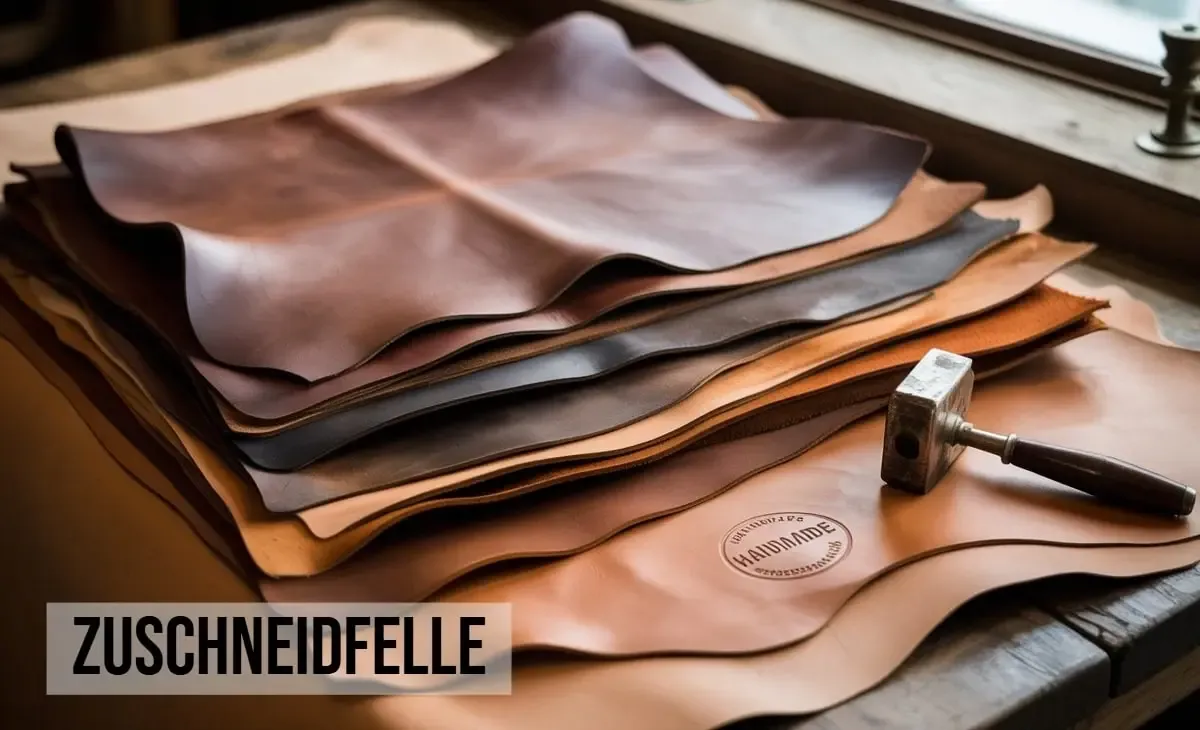
In the world of manufacturing, textiles, and industrial design, zuschneidfelle play a critical role in ensuring precision, efficiency, and product quality. These cutting hides or fabrics are foundational to industries ranging from fashion and upholstery to automotive and aerospace interiors. For startup founders, entrepreneurs, and tech professionals, understanding the applications and innovations surrounding zuschneidfelle is not only about mastering material efficiency but also about leveraging advanced tools, data-driven processes, and sustainable practices to stay competitive.
From the very first cut, zuschneidfelle exemplify the balance between craftsmanship and technological precision. Whether in traditional workshops or modern automated production lines, these materials require careful handling and strategic planning to minimize waste and maximize output. This duality of skill and technology makes zuschneidfelle a fascinating topic for anyone invested in operational excellence and scalable production.
Understanding Zuschneidfelle
Zuschneidfelle literally refers to cut-to-size hides or fabrics used in manufacturing. The concept encompasses both the raw material selection and the cutting process itself. High-quality zuschneidfelle ensure consistent thickness, texture, and shape, which are crucial for products that demand durability and aesthetic precision.
For industrial applications, the importance of zuschneidfelle lies in:
- Efficiency: Optimizing material usage reduces production costs.
- Quality Assurance: Uniform cuts ensure consistent product performance.
- Scalability: Properly prepared materials streamline automated processes in large-scale production.
In essence, zuschneidfelle are not just raw materials—they are the starting point for both design excellence and operational efficiency.
Applications Across Industries
The versatility of zuschneidfelle makes them relevant in numerous sectors:
- Fashion & Apparel: Precision-cut leather or fabric ensures consistent sizing for garments, footwear, and accessories.
- Automotive Interiors: Cut hides form seat covers, dashboards, and trim with exact dimensions to fit complex vehicle contours.
- Furniture & Upholstery: High-quality leather and fabric panels allow seamless assembly of sofas, chairs, and office interiors.
- Aerospace & Marine: Specialized zuschneidfelle meet strict material standards for safety, durability, and fire resistance.
Each application highlights how meticulous material preparation contributes to both functionality and aesthetics, enhancing overall product value.
Key Processes in Zuschneidfelle Production
Creating precise zuschneidfelle involves a combination of traditional craftsmanship and modern technology:
- Material Selection: Choosing hides or fabrics that meet quality and texture standards.
- Template Design: Developing digital or manual patterns to guide cutting for uniformity.
- Cutting Techniques: Using laser cutting, CNC machines, or skilled manual cutting to achieve precision.
- Quality Inspection: Verifying thickness, alignment, and surface consistency before assembly.
Integrating these steps into a seamless workflow ensures minimal waste and maximizes productivity—critical factors for businesses aiming to scale efficiently.
Advantages of Precision Zuschneidfelle
| Advantage | Description | Business Impact |
| Material Efficiency | Reduces offcuts and waste | Lowers production costs |
| Consistency | Uniform dimensions and thickness | Improves product quality and reliability |
| Automation Ready | Standardized cuts for machines | Streamlines production and increases throughput |
| Versatility | Adaptable to multiple industries | Expands market opportunities |
| Sustainability | Efficient use of resources | Aligns with eco-conscious manufacturing |
This table illustrates why mastering zuschneidfelle is not just a technical requirement but a strategic business advantage.
Innovations in Zuschneidfelle
Modern production of zuschneidfelle increasingly leverages technology for improved outcomes:
- Computer-Aided Design (CAD): Enables precise templates and pattern optimization.
- Laser & CNC Cutting: Minimizes human error and enhances repeatability.
- Waste-Reduction Algorithms: Software that maximizes material yield while planning cuts.
- Smart Materials: Hides and fabrics with enhanced durability, flexibility, or fire resistance for specialized applications.
These innovations demonstrate how startups and manufacturing businesses can combine traditional craftsmanship with cutting-edge technology to gain a competitive edge.
Opportunities for Entrepreneurs
Entrepreneurs exploring the world of zuschneidfelle can find multiple avenues for growth:
- Specialized Manufacturing: Producing high-quality cut hides for premium products.
- Automation Solutions: Developing software or machinery that optimizes cutting processes.
- Sustainable Materials: Innovating eco-friendly hides or fabrics for conscious brands.
- Custom Design Services: Offering tailored cut materials for luxury, automotive, or industrial clients.
By focusing on quality, efficiency, and innovation, businesses can leverage zuschneidfelle as a differentiator in competitive markets.
Challenges in Implementing Zuschneidfelle Solutions
While the benefits are clear, businesses must address several challenges:
- Material Costs: High-quality hides and fabrics can be expensive.
- Skilled Labor Requirements: Manual cutting still demands craftsmanship and expertise.
- Technological Investment: Laser and CNC systems require capital and maintenance.
- Waste Management: Even with precision cutting, offcuts must be managed sustainably.
Navigating these challenges successfully allows companies to fully realize the operational and strategic advantages of precision zuschneidfelle.
Future Trends in Zuschneidfelle
The future of zuschneidfelle is intertwined with digital manufacturing, sustainability, and cross-industry innovation:
- Digital Twin Technology: Simulating cuts and patterns virtually to reduce trial and error.
- AI-Optimized Layouts: Machine learning algorithms predicting optimal cutting paths for minimal waste.
- Eco-Friendly Materials: Biodegradable or recycled hides meeting environmental standards.
- Integration with Smart Manufacturing: Connecting cutting processes to broader supply chain and ERP systems for end-to-end efficiency.
These trends suggest that businesses adopting modern zuschneidfelle techniques will be better positioned to innovate, scale, and compete globally.
Conclusion
Zuschneidfelle represent more than just cut hides or fabrics—they are the foundation of precise, efficient, and scalable production across multiple industries. From fashion and automotive to aerospace and furniture, mastering the art and science of zuschneidfelle enables businesses to reduce waste, increase quality, and innovate with confidence.
For startup founders, entrepreneurs, and tech professionals, understanding the processes, technologies, and market opportunities surrounding zuschneidfelle is essential. Combining craftsmanship, digital innovation, and sustainability creates a powerful strategy for growth and long-term success in modern manufacturing.