
 By ali zahaib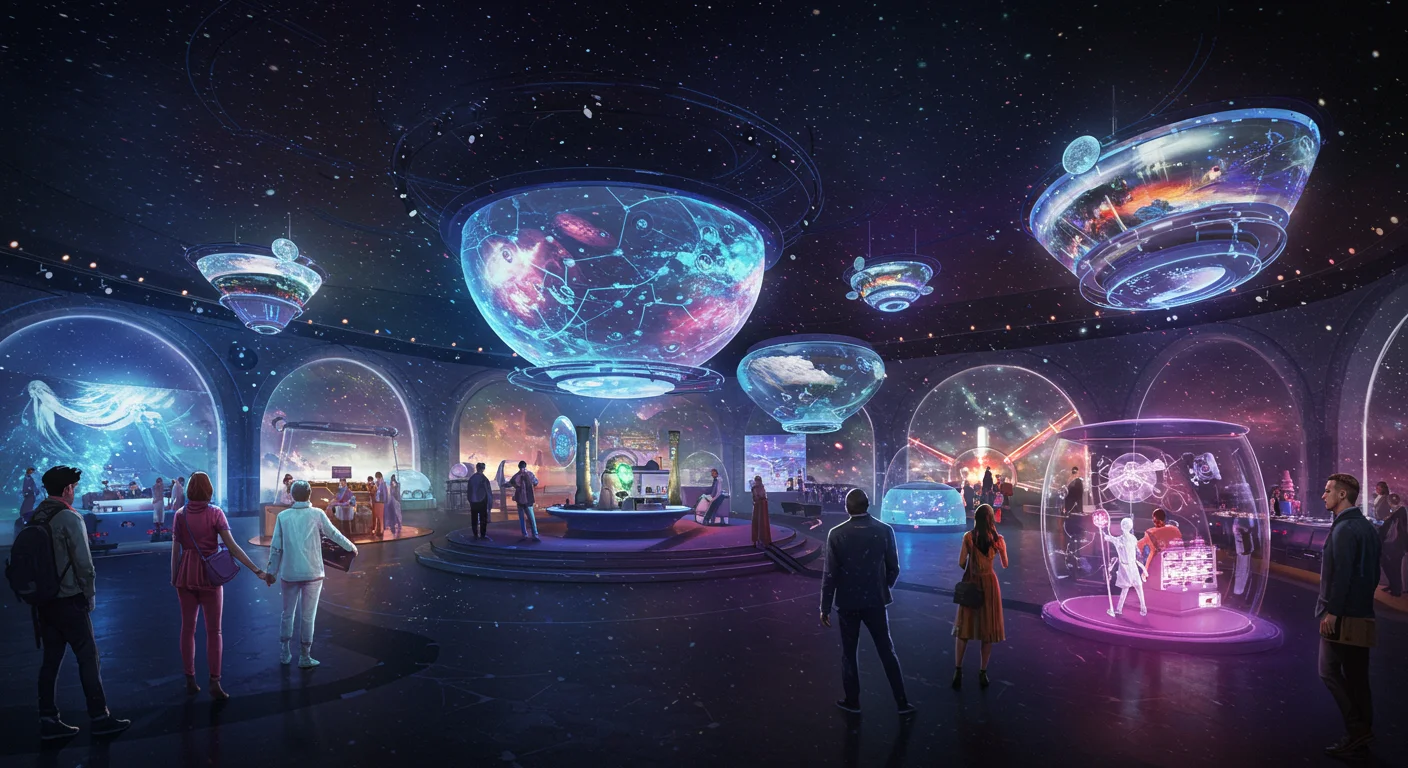
In a world saturated with content, capturing attention has become one of the hardest challenges for businesses and creators alike. The traditional methods of engagement—static visuals, predictable interfaces, and one-way communication—are no longer enough. Enter Spaietacle, a concept that represents the next evolution of digital experience, where interaction, immersion, and storytelling converge to create something far more powerful than content alone.
For startup founders, entrepreneurs, and tech professionals, understanding spaietacle is not just about keeping up with trends—it’s about recognizing a fundamental shift in how audiences connect with digital environments. In today’s experience-driven economy, success belongs to those who can create moments that feel less like consumption and more like participation.
Understanding Spaietacle in a Modern Context
At its core, spaietacle is about transforming passive digital experiences into active, engaging journeys. It blends elements of design, technology, and storytelling to create environments where users don’t just observe—they interact, explore, and influence outcomes.
Think about the difference between watching a video and stepping into a virtual environment where you can navigate, make choices, and experience the narrative firsthand. That’s the essence of spaietacle.
In practical terms, this concept is already shaping industries. From interactive product demos to immersive brand campaigns, businesses are finding new ways to engage users by making them part of the experience.
Why Spaietacle Matters for Startups and Tech Leaders
Startups operate in highly competitive environments where differentiation is key. Traditional marketing and product strategies often struggle to stand out in crowded markets. Spaietacle offers a solution by shifting the focus from features to experiences.
For entrepreneurs, this means creating products and campaigns that resonate on a deeper level. Instead of simply presenting information, spaietacle encourages storytelling that invites users to engage emotionally and intellectually.
Tech leaders, on the other hand, can leverage spaietacle to enhance user interfaces, improve retention, and drive innovation. By integrating immersive elements into digital platforms, they can create experiences that users remember—and return to.
The Core Elements of Spaietacle
To fully understand how spaietacle works, it’s important to break it down into its key components. These elements combine to create a cohesive and impactful experience.
Immersive Design
Design is at the heart of spaietacle. This goes beyond aesthetics to include how users interact with digital environments. Immersive design focuses on creating intuitive, engaging interfaces that draw users in.
Interactive Storytelling
Stories have always been a powerful tool for communication. Spaietacle takes this a step further by making stories interactive. Users are no longer passive recipients—they become participants in the narrative.
Real-Time Engagement
Modern users expect immediate feedback. Spaietacle incorporates real-time interactions, allowing users to see the impact of their actions instantly.
Technological Integration
From augmented reality to AI-driven personalization, technology plays a crucial role in enabling spaietacle. These tools enhance the experience, making it more dynamic and responsive.
Spaietacle vs Traditional Digital Experiences
To better understand its impact, consider how spaietacle compares to conventional approaches:
| Aspect | Traditional Digital Experience | Spaietacle Approach |
| User Role | Passive observer | Active participant |
| Engagement Level | Moderate | High and immersive |
| Content Delivery | Linear | Interactive and dynamic |
| Emotional Connection | Limited | Strong and memorable |
| Use of Technology | Basic | Advanced and integrated |
This shift highlights why spaietacle is gaining traction across industries.
Real-World Applications of Spaietacle
Spaietacle is not just a theoretical concept—it has practical applications that are already transforming how businesses operate.
In e-commerce, brands are using interactive product showcases that allow users to explore items in 3D, customize features, and visualize outcomes before making a purchase. This not only improves user experience but also increases conversion rates.
In the tech industry, companies are incorporating immersive onboarding experiences that guide users through platforms in a more engaging way. Instead of reading instructions, users learn by doing.
Even in education and training, spaietacle is making an impact. Interactive simulations allow learners to practice skills in realistic environments, improving retention and understanding.
The Role of Spaietacle in Emerging Technologies
As technologies like virtual reality, augmented reality, and artificial intelligence continue to evolve, the potential for spaietacle expands significantly.
Virtual reality creates fully immersive environments where users can interact with digital worlds. Augmented reality overlays digital elements onto the physical world, enhancing real-life experiences. AI enables personalization, ensuring that each user’s journey is unique.
Together, these technologies form the foundation of spaietacle, enabling experiences that were once impossible.
Challenges in Implementing Spaietacle
Despite its potential, adopting spaietacle comes with challenges. One of the primary obstacles is complexity. Creating immersive experiences requires expertise in design, development, and storytelling.
There’s also the issue of cost. Advanced technologies and custom development can be expensive, particularly for startups with limited resources.
Additionally, not all audiences may be ready for highly interactive experiences. Businesses must strike a balance between innovation and accessibility.
However, as technology becomes more accessible and tools become more user-friendly, these barriers are gradually decreasing.
Building a Spaietacle-Driven Strategy
For businesses looking to embrace spaietacle, the key is to start with the user. Understanding what your audience values and how they interact with digital content is essential.
From there, focus on creating experiences that align with those preferences. This might involve integrating interactive elements into existing platforms or developing entirely new experiences.
Collaboration is also crucial. Designers, developers, and storytellers must work together to create cohesive and engaging experiences.
Most importantly, businesses should view spaietacle as an ongoing process rather than a one-time initiative. Continuous iteration and improvement are essential for success.
The Future of Spaietacle in Digital Innovation
As digital ecosystems continue to evolve, the importance of experience-driven strategies will only increase. Spaietacle represents a shift toward more meaningful interactions, where users are not just consumers but participants.
For startups and tech professionals, this presents an opportunity to lead the way in innovation. By embracing spaietacle, they can create products and experiences that stand out in a crowded market.
The future of digital engagement is not just about what users see—it’s about what they feel and how they interact. Spaietacle captures this vision perfectly.
Conclusion
Spaietacle is more than a trend—it’s a transformation in how digital experiences are designed and delivered. By combining immersive design, interactive storytelling, and advanced technology, it creates opportunities for deeper engagement and stronger connections.
For entrepreneurs, startup founders, and tech leaders, adopting spaietacle means thinking beyond traditional boundaries and embracing a more dynamic approach to innovation. In an era where attention is scarce and expectations are high, this approach can make all the difference.
Ultimately, the success of any digital strategy depends on its ability to connect with users. Spaietacle offers a powerful way to do just that—by turning experiences into something truly unforgettable.