
 By ali zahaib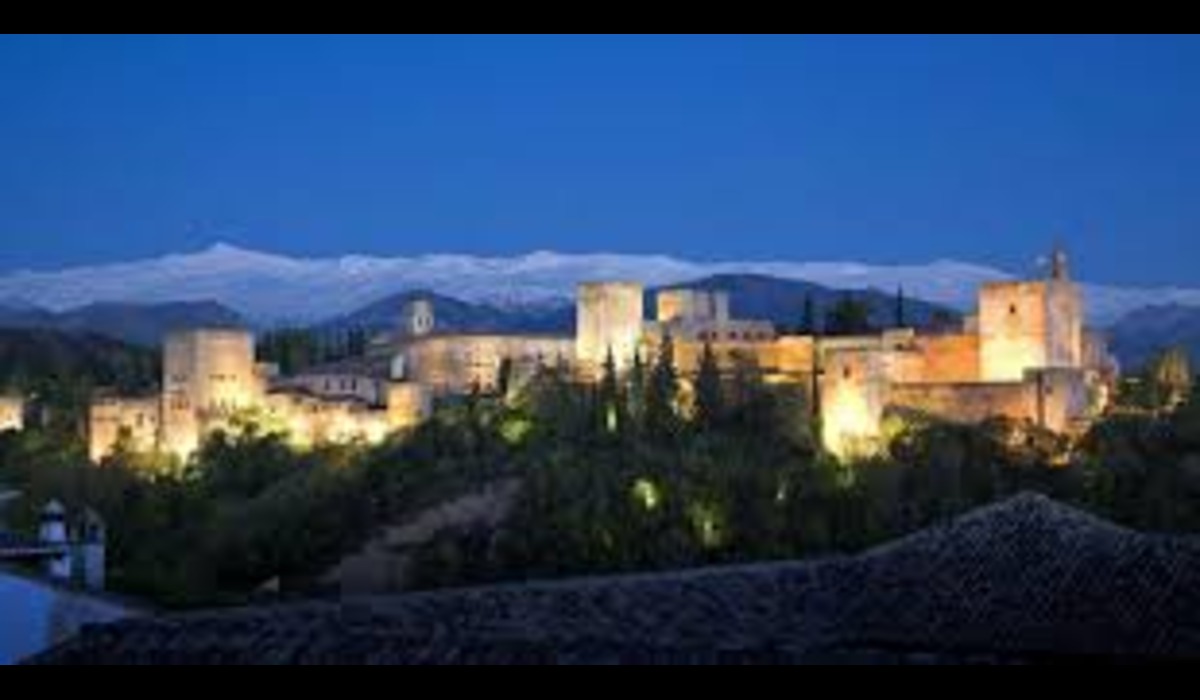
There’s something quietly powerful about standing inside a centuries-old palace after sunset. The crowds thin out, the air cools, and history seems to whisper instead of shout. That’s exactly what makes Alhambra night tours night visits annual numbers such a fascinating topic—not just for travelers, but for anyone interested in demand patterns, experience design, and cultural economics.
For entrepreneurs and digital thinkers, this isn’t just about tourism. It’s a case study in scarcity, premium positioning, and how timing alone can transform an already world-famous attraction into a completely different product.
Why Night Tours at the Alhambra Matter More Than You Think
The Alhambra in Granada, Spain, is one of the most visited landmarks in Europe. Millions of people pass through its gates every year. But night visits are a different story. They represent a smaller, carefully controlled portion of total access—one that offers a fundamentally distinct experience.
During the day, visitors encounter crowds, guided groups, and a faster pace. At night, the Alhambra becomes intimate. Lighting highlights architectural details that might go unnoticed under sunlight. The Nasrid Palaces, in particular, feel almost cinematic after dark.
From a business perspective, this is classic product differentiation. Same asset, different experience, higher perceived value.
Understanding Alhambra Night Tours Night Visits Annual Numbers
Let’s talk numbers—because that’s where the real insight lies.
While exact figures fluctuate year to year, the Alhambra typically attracts between 2.3 and 2.7 million visitors annually. Out of this total, night visits usually account for a significantly smaller share, often estimated between 8% and 12% of total attendance.
This limited allocation isn’t accidental. It’s driven by preservation concerns, operational logistics, and a deliberate strategy to maintain exclusivity.
Here’s a simplified breakdown based on typical patterns:
| Category | Estimated Annual Visitors | Percentage of Total |
| Day Visits | 2,100,000 – 2,400,000 | 88% – 92% |
| Night Visits | 200,000 – 300,000 | 8% – 12% |
| Total Annual Visitors | 2,300,000 – 2,700,000 | 100% |
These Alhambra night tours night visits annual numbers highlight a crucial point: scarcity is built into the system.
And scarcity drives demand.
The Psychology Behind Night Visit Demand
Why do people actively seek night tours, even when daytime access is more available?
It comes down to three psychological triggers:
Exclusivity
When something is harder to access, it feels more valuable. Night visits are limited, often selling out days or weeks in advance.
Emotional Experience
Nighttime environments trigger different emotional responses. Visitors report feeling more connected, reflective, and immersed.
Social Currency
In the age of Instagram and digital storytelling, a night visit offers unique visuals and narratives that daytime visits simply can’t match.
For startups and product designers, this is a masterclass. You don’t always need a new product—sometimes you just need a new context.
Operational Constraints Behind the Numbers
The relatively low Alhambra night tours night visits annual numbers aren’t just about strategy—they’re also about necessity.
The Alhambra is a UNESCO World Heritage Site. Preservation is a top priority. Night tours require careful management of lighting, security, and visitor flow to avoid long-term damage.
Staffing is another factor. Night operations demand additional personnel, from security teams to guides trained for low-light conditions.
Then there’s energy consumption and infrastructure. Lighting historical architecture isn’t as simple as flipping a switch—it must be done in a way that preserves both aesthetics and materials.
All of this creates natural limits on scalability.
And that’s where things get interesting.
A Lesson in Premium Pricing Strategy
Night visits are typically priced higher than standard daytime tickets. And yet, they consistently sell out.
This tells us something important: people aren’t just paying for access—they’re paying for transformation.
Think of it this way:
Day visit = Information and sightseeing
Night visit = Emotion and atmosphere
For founders, this distinction is critical. The most successful products don’t just deliver functionality—they deliver a feeling.
The Alhambra has effectively created a tiered experience model:
- Mass access during the day
- Premium, limited access at night
This mirrors strategies used in SaaS (freemium vs premium tiers), events (general admission vs VIP), and even digital content platforms.
Seasonal Variations in Night Visit Numbers
Another layer to the Alhambra night tours night visits annual numbers is seasonality.
Night tours are more popular during warmer months, especially from late spring to early autumn. The climate in Granada makes evening visits far more comfortable during these periods.
In peak summer, daytime temperatures can exceed 35°C (95°F), making night tours not just appealing—but practical.
This leads to predictable demand spikes:
- High demand: May to September
- Moderate demand: March, April, October
- Lower demand: November to February
For operators, this creates both opportunity and challenge. Pricing, scheduling, and capacity must be carefully adjusted to balance demand without compromising the visitor experience.
Digital Booking Behavior and Demand Signals
One of the most revealing aspects of night tour demand is how people book.
Unlike spontaneous daytime visits, night tours are typically planned in advance. Visitors often:
- Research availability weeks ahead
- Compare time slots carefully
- Prioritize night access over other itinerary items
This behavior signals high intent.
In digital terms, these are “hot leads.” People searching for night tours are further along in their decision-making journey. They’re not browsing—they’re committing.
For travel platforms and startups, this opens up clear monetization opportunities:
- Priority booking services
- Bundled experiences (e.g., night tour + dining)
- Dynamic pricing models
The data behind Alhambra night tours night visits annual numbers isn’t just descriptive—it’s predictive.
Experience Design: Why Night Tours Feel Magical
Let’s step away from numbers for a moment and talk about experience design.
What makes a night visit to the Alhambra so memorable?
It’s not just the lighting. It’s the pacing.
Groups are smaller. Movement is slower. Silence is more present. The architecture feels alive in a way that’s hard to replicate during the day.
Designers would call this “intentional friction.” Instead of optimizing for speed and volume, the experience is optimized for depth.
And that’s a powerful idea.
In a world obsessed with efficiency, sometimes the best experiences come from slowing things down.
Economic Impact of Limited Night Access
Even though night visits represent a small percentage of total attendance, their economic impact is disproportionately large.
Higher ticket prices, combined with strong demand, mean that night tours generate significant revenue per visitor.
Let’s break that down conceptually:
- Fewer visitors
- Higher price per ticket
- Lower operational density
- Higher perceived value
This is the essence of a high-margin offering.
For entrepreneurs, it’s a reminder that growth doesn’t always mean more volume. Sometimes it means better positioning.
What Startups Can Learn from Alhambra Night Tours
The story behind Alhambra night tours night visits annual numbers offers several practical lessons:
First, scarcity can be a feature—not a limitation. By intentionally limiting access, you increase desirability.
Second, context matters as much as content. The same product, delivered in a different environment, can feel entirely new.
Third, emotional value drives pricing power. People will pay more for experiences that resonate on a deeper level.
Finally, data tells a story—but only if you interpret it correctly. The numbers themselves are just the starting point.
The Future of Night Tourism at Heritage Sites
Looking ahead, night tourism is likely to grow—but not necessarily in volume.
Cultural institutions are increasingly aware of the risks of over-tourism. Expansion will likely focus on quality rather than quantity.
We may see:
- More curated night experiences
- Advanced booking systems with dynamic pricing
- Integration with digital storytelling tools
- Enhanced lighting and immersive technologies
But the core principle will remain the same: preserve the magic by keeping it rare.
Conclusion: More Than Just Numbers
At first glance, Alhambra night tours night visits annual numbers might seem like a niche statistic. But dig deeper, and they reveal a sophisticated balance between demand, preservation, and experience design.
For travelers, night visits offer a chance to see one of the world’s most iconic landmarks in a completely different light—literally and emotionally.
For entrepreneurs, they provide a blueprint for building high-value, differentiated offerings in any industry.
Because in the end, the real lesson isn’t about tourism.
It’s about understanding what people truly value—and designing experiences that deliver it in unforgettable ways.